

June is a great time to plant fruit trees and winter veges for a continuous supply. It’s also time to begin thinking about the next season and the crops you might want to grow and harvest.
GARDEN HIGHLIGHTS
SNOWDROPS, WINTER ACONITE, MINIATURE DAFFODILS, PROTEAS, SASANQUA CAMELLIAS, EARLIEST JAPONICA CAMELLIAS AND POINSETTIAS.
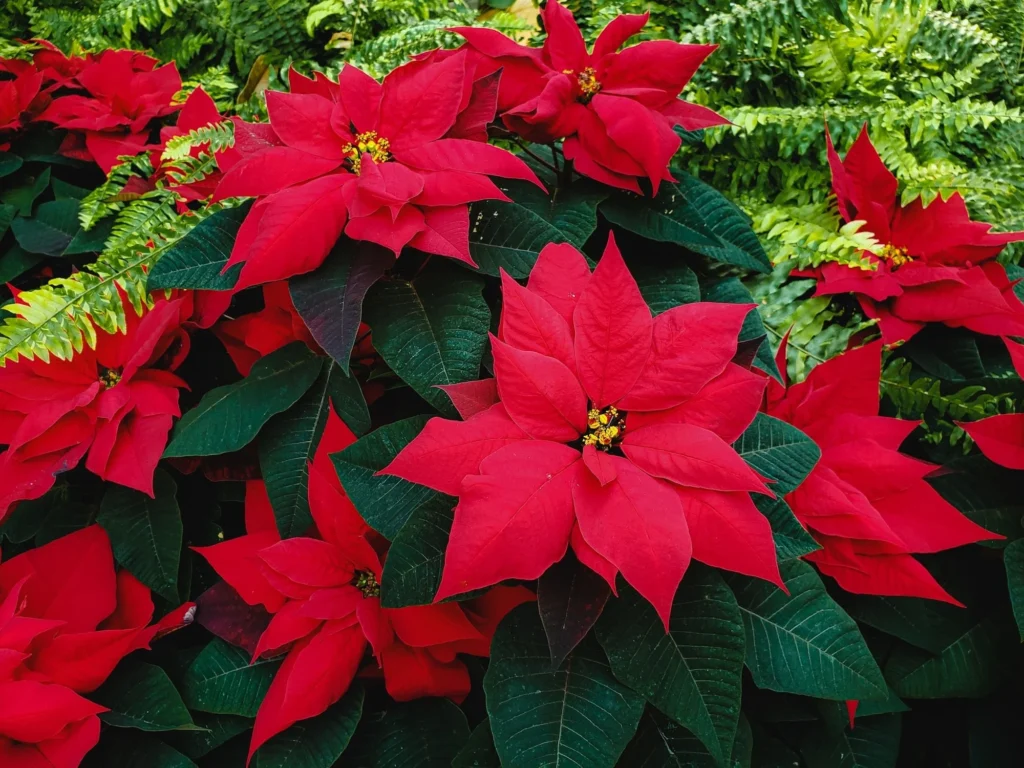
ORNAMENTAL GARDEN
Plant
In frost-free areas sow seeds of alyssum , sweetpea, candytuft, linaria and stock. Plant deciduous trees and shrubs, including roses, as they become available. During planting protect roots for drying by covering or standing them in water and make sure holes are adequately large.
Prune
Most deciduous ornamental climbers prune now (not Clematis montana or bougainvilleas). Train by spreading the main shoots on a framework and shortening all side shoots to about two buds. Side shoots on wistarias, roughly trimmed in summer, are now cut back to dark buds at the base. Continue pruning hydrangeas and disbudding camellias.
Fertilise
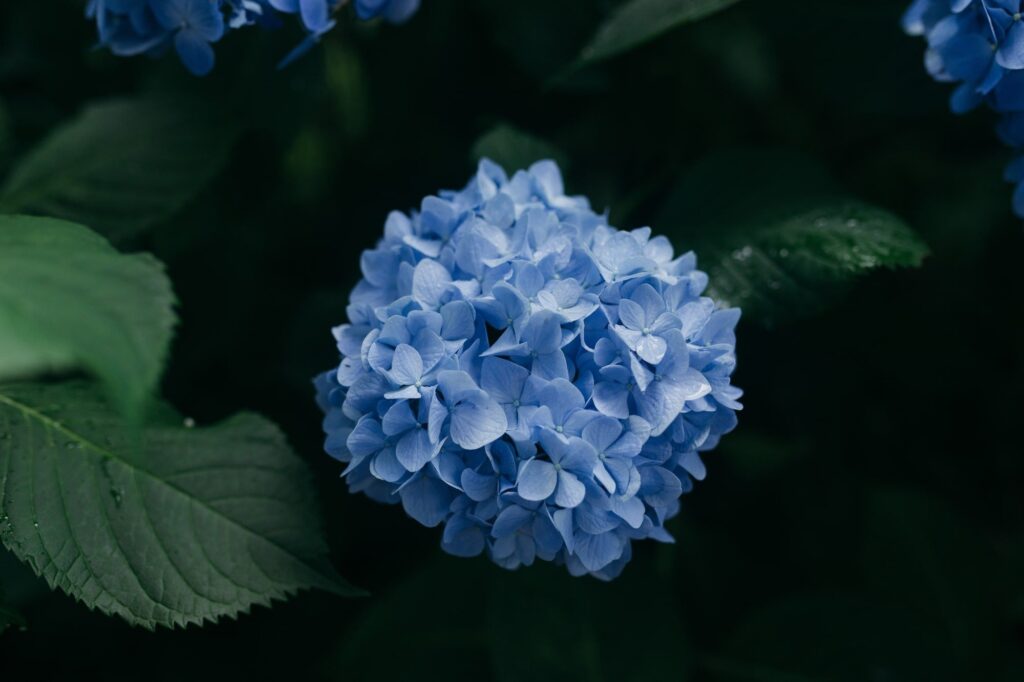
Contine to give liquid feeds to bedding plants. Apply dolomite lime to gypsophila, lilacs and pink hydrangeas. Give blue hydrangeas a little alum, sulphate of ammonia or flower of sulphur.
EDIBLE GARDEN
Plant
Sow broadbeans. Plant garlic, shallots and rhubarb (crowns).
Prune
Prune pipfruit trees, grapevines and softfruit.
Fertilise
Give regular liquid feeds to veges. Apply dolomite lime to the area that will grow leafy veges next season.
Watch for
Scale on apple trees, woolly aphis galls on apples and sometimes pears, tips dead from mildew on apples and gooseberries. Treat insects with spraying oil and prune off mildew. Watch also for leafspot on celery and spray with copper spray.
Things to do
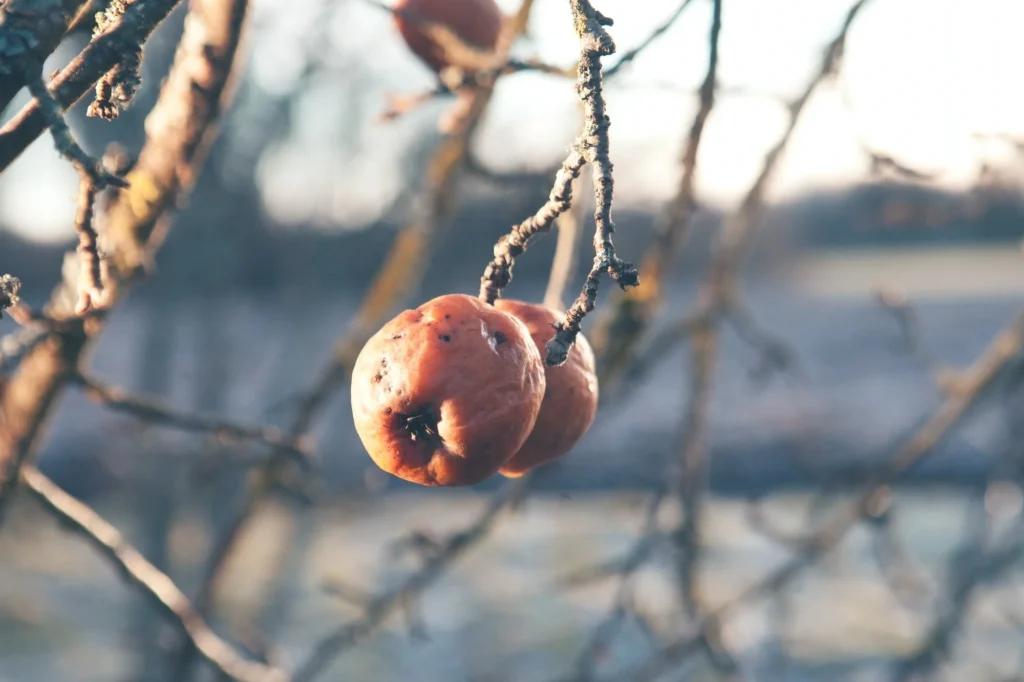
Lightly stir the surface of vege beds. Pick up fallen fruit tree leaves and fruit. Mulch with compost around young trees, also soft fruits and all citrus. Avoid piling mulch up against your tree trunks.
GARDEN MAINTENANCE
Things to do
Gather fallen leaves to make leafmould. Large quantities may be piled up inside a chickenwire fence, small amounts can be put into plastic bags pierced with a few holes. Make sure bagged leaves are moist, but not dripping wet. Material bags will usually be rotted in about 9 months, larger amounts will take longer. Gently stir the surface of beds to improve aeration.
Lawn Care
Watch out for porina caterpillar damage. Grasses only are eaten to the ground. The pests hide in burrows around the eaten area, closing the entrance with piles of loose dirt. Dust lightly around the burrows with diazinon. Check at weekly intervals (when caterpillars die, burrows become open holes).
Need assistance
Get in touch with the team at Lawn King.